
Share this post
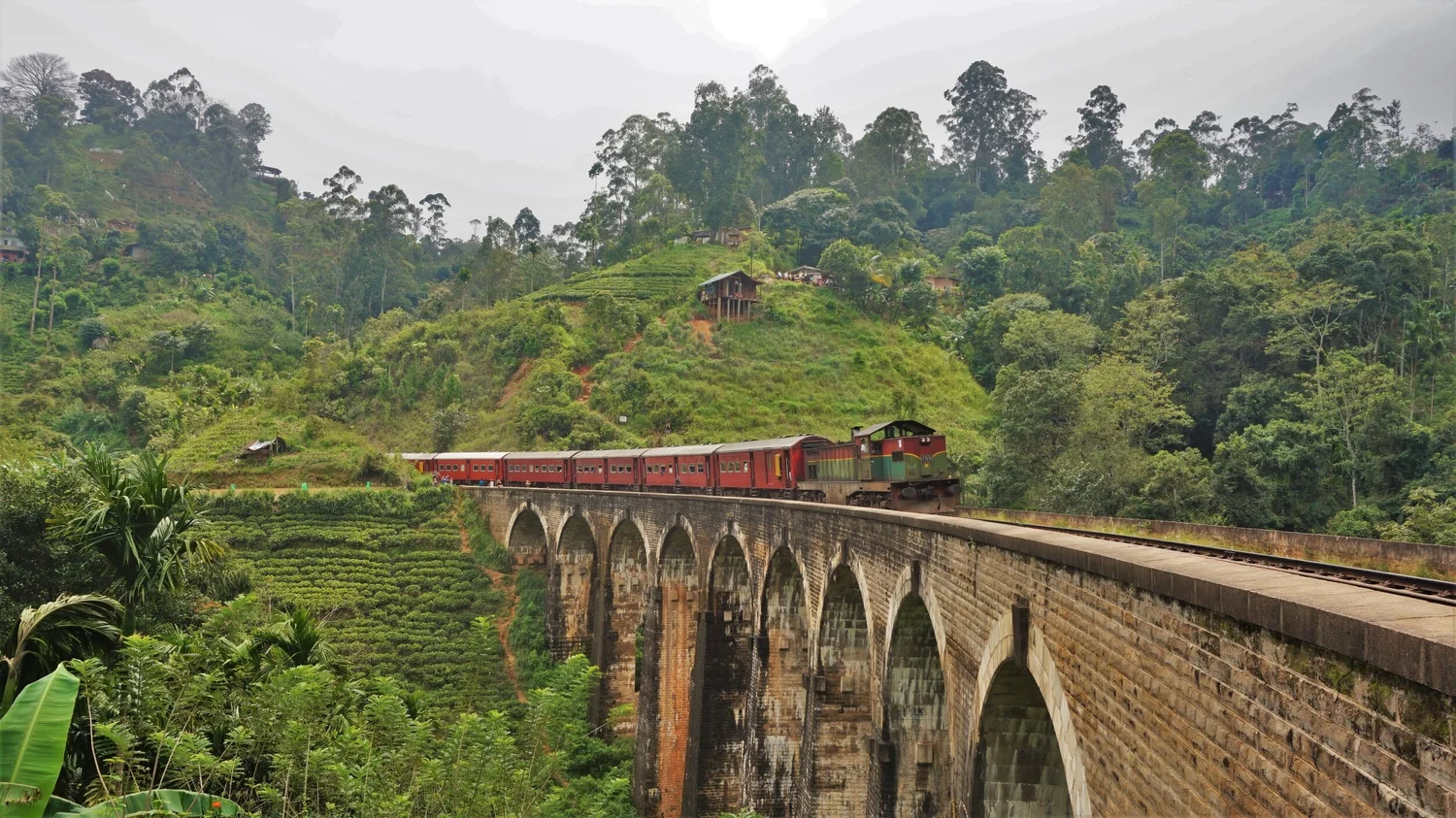
Sri Lanka has always been a natural international getaway for South Indian travellers. Just a short journey across the Indian Ocean, this island nation offers a fascinating mix of cultural familiarity, tropical beauty, ancient heritage, and unforgettable experiences.
From sacred temples and tea-covered hills to golden beaches and wildlife safaris, Sri Lanka has something for every traveller. For visitors from Tamil Nadu, Kerala, Karnataka, and Andhra Pradesh, the island often feels both foreign and familiar at the same time.
If you are planning a trip, this guide covers what to expect, the best time to visit, visa requirements, travel tips, and the places you shouldn’t miss.
One of Sri Lanka’s biggest attractions is how accessible it is from South India, both geographically and culturally.
The island shares deep historical and cultural links with South India, especially through language, religion, food, and architecture. Yet at the same time, it offers a completely distinct travel experience with its own charm.
Whether you want a short beach holiday, a cultural tour, or a nature escape, Sri Lanka is ideal.
The best time to visit Sri Lanka depends on the region you plan to explore, but generally December to March is considered ideal for most travellers.
During these months, the weather is pleasant, dry, and perfect for sightseeing and beach holidays.
Sri Lanka experiences two monsoon seasons:
| Season | Months | Weather | Best For |
|---|---|---|---|
| Peak Travel Season | Dec – Mar | Pleasant and dry | Beaches, sightseeing, wildlife |
| Shoulder Season | Apr – Jun | Warm with fewer crowds | Budget travel, hill country |
| Southwest Monsoon | May – Sep | Rain in west & south | East coast travel |
| Northeast Monsoon | Oct – Jan | Rain in north & east | South and west coast travel |
For most South Indian travellers, December to March remains the best time to visit.
Travelling to Sri Lanka is relatively simple for Indian passport holders.
Sri Lanka offers an Electronic Travel Authorization (ETA) system, which allows travellers to apply online before departure.
Tourist ETAs generally allow a stay of 30 days, with extension options available.
Before travelling, ensure:
Applying in advance makes the arrival process much smoother.
One of the most fascinating parts of visiting Sri Lanka from South India is discovering how deeply connected the two regions are.
Tamil is widely spoken in Sri Lanka, especially in northern and eastern regions, making communication easier for many South Indian travellers.
Many literary and cultural influences also overlap across the two regions.
Sri Lanka’s Buddhist traditions often feel familiar to Indian travellers, and many temples share similarities with South Indian religious practices.
Offerings, temple rituals, and spiritual customs often reflect these shared roots.
Festivals such as Sinhala and Tamil New Year often feel culturally familiar to visitors from South India.
Traditional celebrations, temple processions, and rituals reveal strong historical ties.
Historic sites in Sri Lanka often show influences reminiscent of South Indian temple architecture.
Places like Sigiriya and Dambulla often impress travellers with their similarities to ancient South Indian heritage sites.
Sri Lanka’s Cultural Triangle is one of the country’s biggest highlights.
Sigiriya Rock Fortress is one of the island’s most iconic UNESCO World Heritage Sites and offers spectacular views.
Dambulla Cave Temple showcases ancient Buddhist art and impressive cave shrines.
Anuradhapura and Polonnaruwa offer a glimpse into Sri Lanka’s royal and spiritual past.
Sri Lanka is home to some of South Asia’s most stunning beaches.
Popular beach destinations include:
Whether you seek adventure or relaxation, Sri Lanka’s coastline delivers.
For a change of scenery, head into Sri Lanka’s hill country.
Ella is famous for breathtaking landscapes, waterfalls, and scenic train journeys.
Nuwara Eliya, often called “Little England,” offers cool weather, tea estates, and colonial charm.
Horton Plains National Park is perfect for nature lovers and hikers.
Sri Lanka is a paradise for food lovers, and South Indian travellers often find both comfort and exciting differences in the cuisine.
Rice and Curry remains the island’s signature meal, served with multiple flavourful curries.
Hoppers are a Sri Lankan favourite, especially for breakfast.
Kottu Roti is one of the country’s most famous street foods.
Seafood lovers should also try fresh prawn, crab, and fish curries.
And of course, no Sri Lanka trip is complete without experiencing authentic Ceylon tea.
Packing smart can make your trip more comfortable.
| Item | Why You Need It |
|---|---|
| Light Cotton Clothing | Tropical weather comfort |
| Comfortable Walking Shoes | Sightseeing and hikes |
| Insect Repellent | Protection from mosquitoes |
| Travel Adapter | Sri Lankan plug types |
| Sunscreen | Tropical sun protection |
| Basic First Aid Kit | Useful for emergencies |
Light clothing and comfortable footwear are especially important if you plan to combine beaches, temples, and hill stations.
A few simple tips can make your journey smoother.
Exchange some currency before arrival or at the airport.
Carry cash for local markets and smaller towns.
Use trains for scenic routes, especially the famous Kandy-to-Ella train journey.
Respect local customs when visiting temples by dressing modestly.
And don’t rush—Sri Lanka is best enjoyed at a relaxed pace.
Few international destinations offer the combination of proximity, affordability, culture, beaches, wildlife, and history that Sri Lanka does.
For South Indian travellers especially, it feels both comfortably familiar and wonderfully different.
Whether it’s ancient ruins, tea plantations, wildlife safaris, or coastal escapes, Sri Lanka offers remarkable variety in one compact island.
Travelling to Sri Lanka from South India feels less like a distant international holiday and more like discovering a fascinating neighbour full of surprises.
With its shared cultural roots, scenic beauty, welcoming people, and unforgettable experiences, Sri Lanka is a destination worth exploring.
Plan well, travel during the right season, and you’ll discover why this island continues to captivate travellers from India and beyond.
Yes, Sri Lanka is ideal due to proximity, cultural familiarity, and diverse travel experiences.
Indian travellers generally need an ETA before arrival.
December to March is considered the best time for most regions.
A 7 to 10-day trip is ideal to cover major highlights.
Yes, Sri Lanka can suit budget, mid-range, and luxury travellers.



 English (India)
 日本語
日本語
 Deutsch
 Français
 Español